it
it de
de nl
nl en
en fr
fr
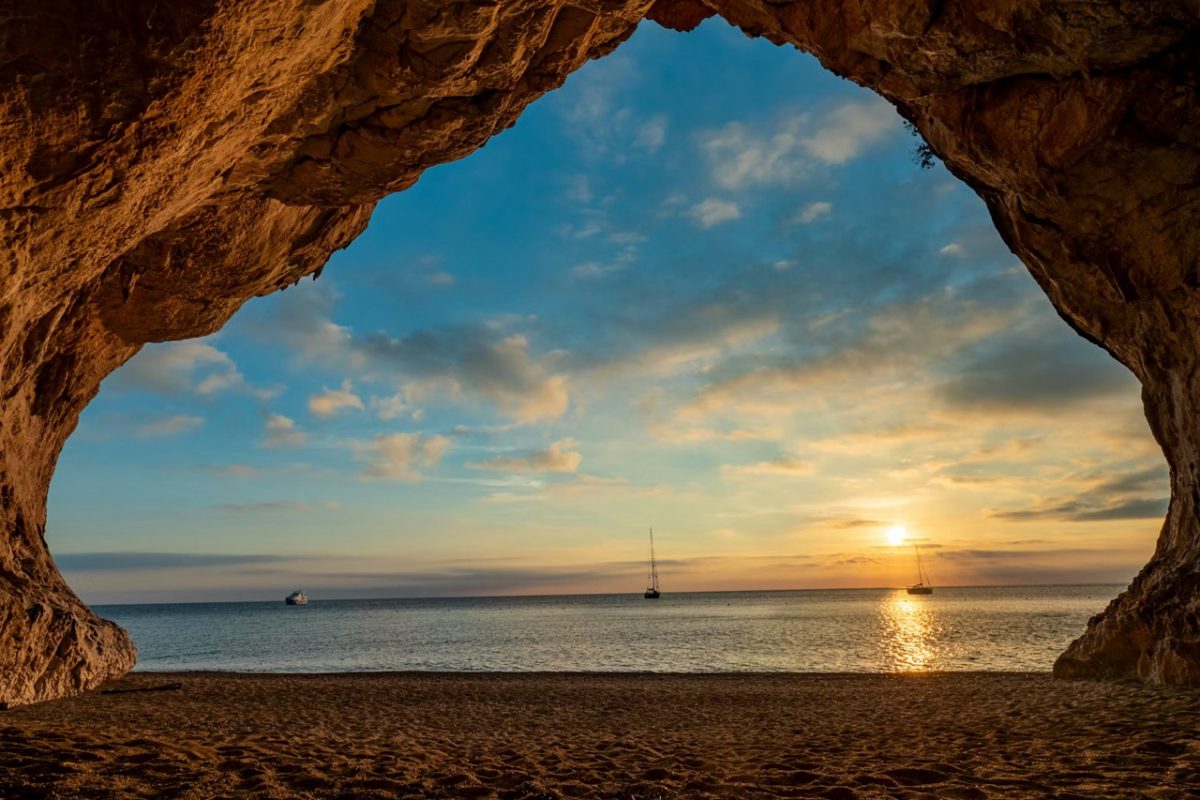
Discovering Sardinia in October means experiencing the island from a different perspective. The beaches become quieter, temperatures often remain pleasantly mild, and the landscape slowly begins to change after the long, dry summer. It is the perfect time for walks along the coast, hikes through the Sardinian countryside, visits to small villages and culinary discoveries away from the usual tourist routes.
With a little planning and an open mind, autumn can be a wonderful time to explore Sardinia at a more relaxed pace.
What is the weather like in Sardinia in October?
October marks the beginning of autumn in Sardinia. Daytime temperatures along the coast often range between 20°C and 23°C, although warmer days are certainly possible. Evenings and nights are cooler, particularly inland and in the higher mountain areas.
The first half of October often brings sunny days that are ideal for spending time at the beach. However, the weather can be changeable, with occasional showers and stronger winds. Conditions may also vary considerably between the north and south of the island.
One of the main advantages of travelling at this time of year is that the intense summer heat has passed. Hiking, cycling and sightseeing are often much more comfortable than in July and August.
Our tip: Don’t plan your October holiday around the beach alone. By combining coastal days with nature, culture and local food experiences, you can enjoy Sardinia even when the weather changes.
Can you still swim in Sardinia in October?
Yes, swimming is still possible in Sardinia in October. The sea retains some of the warmth accumulated over the summer, and water temperatures can remain pleasant, especially at the beginning of the month. On sunny days with little wind, a swim or a relaxing afternoon on the beach can be a real pleasure.
The beaches also have a different charm in autumn. Instead of rows of sun loungers and parasols, you will often find wide stretches of sand, the sound of the waves and a welcome sense of tranquillity.
Some particularly appealing coastal areas for an autumn holiday include:
- Chia and Pula in the south: Long sandy beaches, dune landscapes and fascinating archaeological sites.
- Villasimius and Costa Rei in the south-east: Turquoise water, pale sandy beaches and beautiful coastal walks.
- The coast around Alghero in the north-west: A varied coastline with small coves and long beaches, complemented by an attractive historic town for days when the weather is less suitable for the beach.
- The beaches around Oristano on the west coast: A surprisingly diverse coastline with distinctive natural landscapes.
- The Gulf of Orosei on the east coast: Spectacular beaches and hidden coves that can be explored by boat or on foot.
Which part of Sardinia is best to visit in October?
Choosing the right base is particularly important in autumn. While some seaside resorts depend largely on the summer beach season, larger towns and regions with a wider range of excursions offer plenty to discover throughout October.
Cagliari and southern Sardinia
Cagliari is an excellent base for an October holiday. Sardinia’s capital combines history, culture, gastronomy and the sea, offering plenty to do even when the weather is less favourable.
Wander through the narrow streets of the historic Castello district, explore the Marina, Stampace and Villanova neighbourhoods, or enjoy a coffee in one of the lively squares. Museums, churches and archaeological sites offer further insights into the island’s fascinating past.
On sunny days, head to the extensive Poetto city beach or walk up to Sella del Diavolo, a striking rocky headland overlooking the coast. With a little more time, you can explore the lagoons around Cagliari, where flamingos can often be seen, or discover the beaches and coastal landscapes further south.
Pula and Chia also make worthwhile excursions. Near Pula, the archaeological site of Nora reveals traces of Sardinia’s long and varied history.
Cabras and Oristano: Culture and nature on the west coast
The area around Oristano and the Sinis Peninsula is ideal for travellers who want to discover Sardinia away from its best-known holiday resorts. Wide-open landscapes, lagoons, archaeological sites and a rich culinary tradition come together in this part of the island.
In Cabras, visit the Giovanni Marongiu Civic Museum, home to important archaeological finds from the region, including the famous Giants of Mont’e Prama. The ancient city of Tharros, on the Sinis Peninsula, is also well worth a visit. Its ruins occupy a remarkable setting between the sea and the lagoon, offering a glimpse into the history of Sardinia’s west coast.
Nature lovers will find a varied landscape of beaches, wetlands and lagoons. Is Arutas and Mari Ermi are particularly famous for their pale sand, made up of tiny quartz grains. In October, the coastline can be enjoyed in a much quieter atmosphere than during the summer months.
The region also has plenty to offer food lovers. Cabras is known for its fishing traditions and especially for bottarga, the salted and dried roe of the grey mullet. In Oristano and the surrounding villages, you can also discover local wines and traditional Sardinian specialities.
South-western Sardinia: Sant’Antioco, San Pietro and the island’s mining heritage
South-western Sardinia is one of the island’s most diverse regions and a fascinating destination in autumn. Rugged coastlines, small harbour towns, historical landmarks and the impressive remains of the former mining industry make this an excellent area to explore beyond the usual tourist routes.
The island of Sant’Antioco is connected to mainland Sardinia by a causeway. In the town of the same name, you will find a lively waterfront, small shops, traditional restaurants and historical sights reflecting the island’s Phoenician and Roman past. The surrounding coastline, with its coves and unusual rock formations, is perfect for walks.
Nearby lies San Pietro Island, home to the picturesque harbour town of Carloforte. With its colourful houses, narrow streets and distinctive Ligurian-influenced traditions, Carloforte has a character all of its own. A stroll through the town can easily be combined with an excursion along the island’s wild coastline.
Another defining feature of south-western Sardinia is its mining heritage. Around Iglesias, Buggerru and the Sulcis area, you can discover abandoned mines, historic industrial installations and former mining settlements. Among the most striking sights is Porto Flavia, an extraordinary mining facility built directly into the cliffs above the sea. The area around Nebida also offers dramatic coastal scenery shaped by the island’s industrial past.
The former mining settlement of Montevecchio and the surroundings of Buggerru provide further insight into the importance of mineral extraction in Sardinia’s history. Today, these places appeal to visitors interested in industrial heritage, architecture and landscapes far removed from the traditional holiday resorts.
Please note that some mining sites can only be visited on guided tours and that opening times may vary according to the season.
The Gulf of Orosei: Wild coastlines and spectacular scenery
The Gulf of Orosei, on Sardinia’s east coast, is one of the island’s most impressive natural landscapes. Towering limestone cliffs, secluded coves and turquoise water create a spectacular setting for nature lovers and hikers.
Towns such as Cala Gonone, Orosei and Dorgali are good starting points for exploring the region. In summer, famous coves such as Cala Luna and Cala Mariolu are often visited by boat. October brings a quieter atmosphere, making it an appealing time for walks, hikes and excursions into the mountainous hinterland.
The Supramonte mountain range, with its deep gorges, plateaus and traditional villages, is also within reach. Combine a coastal walk with a visit to the island’s interior to experience just how varied Sardinia’s landscapes can be.
It is important to adapt your plans to the weather. Boat excursions are no longer available every day in all areas during autumn and may be cancelled because of wind or rough seas. More challenging hikes should be carefully planned and, where appropriate, undertaken with a local guide.
Bosa: A colourful town on the river
Bosa is one of Sardinia’s most attractive towns and well worth visiting in October. Colourful houses line the River Temo, narrow lanes wind through the historic centre, and Castello Malaspina rises above the rooftops, giving the town its distinctive character.
Take a stroll through the old Sa Costa quarter, discover small artisan workshops and stop for a coffee in one of the town’s squares. Local restaurants offer the opportunity to sample Sardinian specialities while enjoying Bosa’s relaxed atmosphere.
The surrounding area is equally appealing. The coastal road between Bosa and Alghero is one of the island’s most scenic drives, with sweeping views of the sea and rugged coastline. On a fine day, you can stop at Bosa Marina beach or explore some of the smaller coves nearby.
Alghero and the north-west
Alghero is another excellent choice for an autumn holiday. Its historic centre, with its Catalan influences, old town walls, independent shops and welcoming restaurants, is ideal for exploring on foot.
Stroll along the waterfront, enjoy the sea views and, on a clear evening, watch the sun set over the coast. Nearby, Capo Caccia and the landscapes of Porto Conte Regional Natural Park make rewarding excursions. Neptune’s Grotto is another popular attraction, although access and boat services depend on weather and seasonal conditions.
Local wineries, small villages and regional restaurants add to the appeal of the area. It is easy to combine a day outdoors with cultural discoveries and good food.
Inland Sardinia: Discover the island beyond the coast
Anyone who really wants to get to know Sardinia in autumn should make time for the island’s interior. Here, the landscape changes dramatically: mountains, forests, grazing land and small villages reveal a quieter, more traditional side of Sardinian life.
The regions of Barbagia and Ogliastra are particularly well known for their traditions, crafts and regional cuisine. In the villages, you can wander through historic streets, sample local specialities and, if you are lucky, experience traditional festivals or local markets.
The surrounding mountains and hiking trails also offer excellent opportunities for active days outdoors. Inland Sardinia is particularly rewarding for travellers who want to combine nature and culture with a closer look at local life.
What can you do in Sardinia in October?
Autumn opens up many possibilities that can be less appealing during the height of summer because of the heat or crowds. Here are our suggestions for making the most of your stay.
1. Go hiking and explore nature
October is a wonderful month to explore Sardinia on foot. Temperatures are often more comfortable than in summer, and many landscapes can be enjoyed at a slower pace.
Particularly appealing options include coastal walks, the Giara di Gesturi plateau in the island’s interior, trails through the Mediterranean maquis and the island’s varied plant life, as well as routes in the mountainous inland regions.
For a wilder side of Sardinia, head towards the Supramonte, where rugged limestone landscapes, impressive gorges and more demanding trails await. The area around the Gulf of Orosei also offers spectacular scenery.
Sardinia is home to numerous caves that are well worth discovering, too. Less experienced walkers can choose shorter coastal routes or easy trails through the countryside.
Always choose a route that matches your fitness level and the weather conditions. Trails can become slippery or difficult after rain, and a local guide is advisable for more challenging hikes.
2. Visit archaeological sites
Sardinia has an exceptionally rich archaeological heritage. Beyond the familiar coastal resorts, the island’s ancient history can be explored through a remarkable variety of prehistoric and historic sites.
Among the most distinctive are the nuraghi, the characteristic stone towers built by the Nuragic civilisation, as well as the Giants’ Tombs and sacred wells.
The archaeological sites of Nora, near Pula, and Tharros, on the Sinis Peninsula, also offer fascinating insights into the different cultures that have shaped Sardinia over thousands of years.
October is an excellent time to explore these sites without the intensity of the summer heat and to discover Sardinia as a destination rich in history and culture, not just beaches.
3. Enjoy Sardinian cuisine and local wines
Autumn is a particularly rewarding season for food lovers. The grape harvest and olive harvest shape the culinary calendar, and local producers offer opportunities to discover Sardinia’s regional specialities.
Depending on the season and the area, you may be able to visit a winery, learn about local grape varieties, taste Sardinian wines or discover how traditional products are made. Craft beer enthusiasts can also plan a visit to one of the island’s growing number of independent breweries.
A leisurely lunch at an agriturismo is another wonderful way to experience Sardinian food culture. Many farm restaurants serve homemade pasta, local cheeses, meat dishes and seasonal ingredients.
Typical specialities include culurgiones, filled pasta parcels from eastern Sardinia; malloreddus, the island’s traditional small pasta shapes; and Pecorino Sardo cheese. Along the coast, fish and seafood feature prominently, while inland cuisine retains strong links to the island’s pastoral traditions.
Our tip: Ask about wine tastings, cooking classes and visits to local producers when planning your trip. These encounters offer a more personal insight into Sardinia’s culinary culture. As not all businesses operate throughout the year, it is best to confirm availability in advance.
4. Discover Sardinia by bike
Autumn is an attractive season for cycling in Sardinia. Temperatures are often pleasant, and the roads and landscapes can be explored more peacefully than during the main summer season.
Depending on your fitness and experience, you can choose from relaxed rides along the coast, routes through small villages or more challenging cycling in the hilly and mountainous interior. One of the great pleasures of cycling here is the changing scenery, from the sea and Mediterranean vegetation to the open landscapes inland.
Along the way, stop in a village for local specialities or take a detour to an archaeological site.
Bear in mind that Sardinia is a hilly island, and some roads are winding. Your route should therefore take account of your fitness, the terrain and the available daylight.
A cycling tour with luggage transfers between hotels is a particularly comfortable option. An e-bike can also make longer or hillier routes more accessible.
5. Visit small villages and experience authentic Sardinia
Travelling to Sardinia in October gives you more time to discover places away from the best-known holiday resorts. Inland villages have preserved many of their traditions, local crafts and distinctive architecture. Some are famous for their murals, while others are known for artisan workshops, local festivals or regional specialities.
A walk through narrow streets, a visit to a weekly market or a conversation with a local producer can be just as memorable as a visit to a major attraction.
In the low season, you can shape your journey around the experiences and encounters along the way rather than trying to fit in as many sights as possible. Leave some room in your itinerary for spontaneous stops and unexpected discoveries.
How should you plan a trip to Sardinia in October?
An autumn holiday on Sardinia is a little different from a traditional summer beach holiday. With thoughtful planning, however, you can make the most of everything this season has to offer.
- Choose your base carefully. If you want a combination of the sea, restaurants, culture and excursions, towns such as Cagliari and Alghero are practical choices. For a nature-focused stay, accommodation inland may be a better option.
- Keep your plans flexible. Avoid relying exclusively on beach days. When the sun shines, head to the coast; on cooler or rainy days, explore museums, historic towns or local food experiences.
- Consider renting a car. Outside the main season, some bus connections and tourist services operate less frequently. A car gives you more freedom to explore different areas and adapt your plans to the weather.
- Check seasonal opening times. Not all hotels, restaurants, beach facilities and excursion providers remain open throughout October. Confirm availability before travelling.
- Pack for changing conditions. Bring light clothing and swimwear, but also a light jacket, long trousers, comfortable walking shoes and, if necessary, a waterproof jacket.
Is Sardinia worth visiting in October?
Absolutely — as long as you do not expect uninterrupted summer beach weather.
October is an excellent time for travellers who want to discover Sardinia in a more active and varied way. You may still enjoy sunny hours on the beach, while also having time to wander through historic towns, explore archaeological sites, hike in the countryside and sample the island’s regional cuisine.
At the same time, it is important to allow for changeable weather and remember that some seasonal tourist businesses may already have closed.
Those who plan accordingly can enjoy a quieter island, pleasantly mild days and a wide variety of experiences. It is precisely the combination of sea, nature, culture and gastronomy that makes autumn such an interesting time to visit Sardinia.
Discover Sardinia in autumn with SardiniaNatour
Whether you are looking for a few relaxing days by the sea, a road trip through the island’s interior or a holiday focused on nature and local food, Sardinia has plenty to offer beyond the traditional summer season.
SardiniaNatour can help you plan an individual trip, bringing together suitable accommodation, interesting excursions and authentic local experiences.
Would you like to discover Sardinia in October? Tell us what you have in mind, and we will be happy to help you find the right itinerary for your autumn holiday.
Get in touch for personal advice.
- Phone: +39 070 2040391 (also available on WhatsApp)
- Email: booking@sardinianatour.com
- Website: www.sardinianatour.com
About the author
The SardiniaNatour team consists of Katrin, Katja and Claudia. Together, they run SardiniaNatour, an independent Sardinia specialist based in Cagliari.
Since 2005, they have been helping travellers plan individual holidays on the island. Their recommendations draw on years of experience, local expertise and regular research on the ground. They value authentic travel experiences, sustainable tourism and respect for local communities and the natural environment.
Through their blog, they share practical information, inspiration and genuine insights into Sardinia — beyond the standard guidebook recommendations.